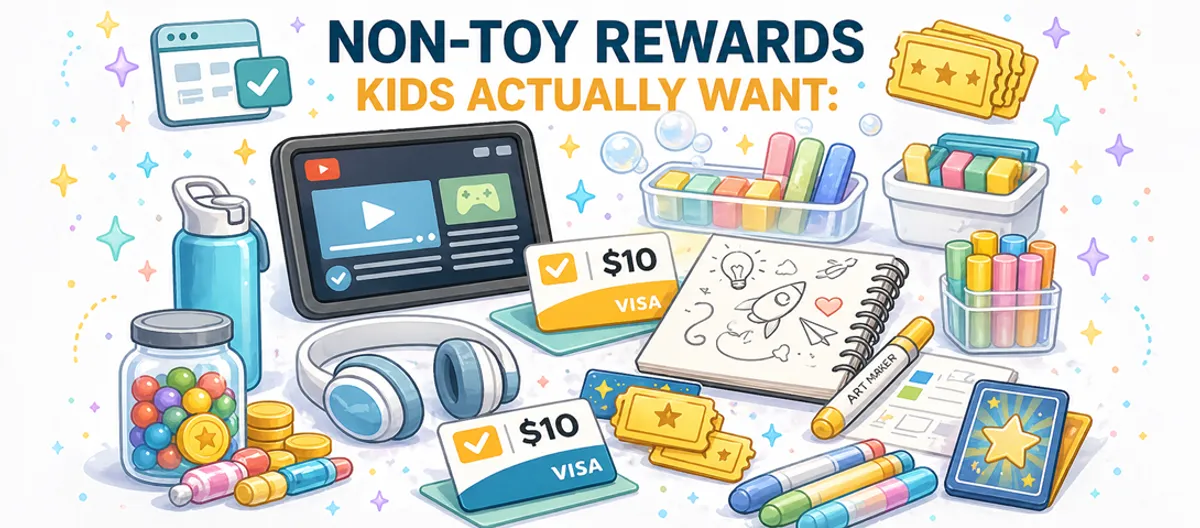
Non-Toy Rewards Kids Actually Want
- Jacob Volk
- Rewards & Motivation
- 14 Jan, 2026
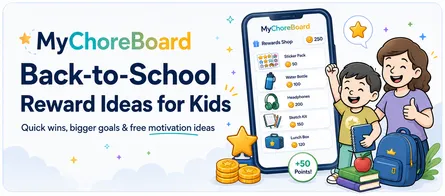
Looking for effective rewards that don’t add more toys to your house? This guide explains how non-toy rewards motivate kids, support routines, and work naturally inside a points-based chore system like MyChoreBoard.
If you’ve ever looked around your house and thought, we don’t need more toys, you’re not alone.
Many parents want to use rewards to motivate chores and routines, but hesitate because rewards often turn into clutter. A system starts with good intentions, then slowly fills shelves, bins, and closets with things no one asked for a month later.
The problem usually isn’t rewards themselves. It’s the type of rewards we default to.
Quick takeaway
- Non-toy rewards reduce clutter while keeping motivation fresh
- Keep rewards small and repeatable to avoid “reward inflation”
- Use a fixed reward menu so kids choose instead of negotiating
- Pair rewards with visible progress (points/stars/checklists)
Related reading:
Why toy-based rewards often fall apart
Toys feel like the obvious reward, but they come with a few predictable issues:
- Novelty wears off quickly
- Storage becomes a problem
- Rewards escalate faster than habits form
When rewards rely on excitement alone, kids adapt fast and motivation drops. Parents then feel pressure to keep raising the bar, which is rarely sustainable.
As we explain in Using Rewards to Motivate Kids, rewards work best when they are predictable, earned, visible, and chosen by the child.
Non-toy rewards naturally support these principles without creating long-term clutter.
Consumable rewards: small, repeatable wins
Consumable rewards work well because they feel fun without becoming permanent. Kids still get something tangible and motivating, but parents do not have to manage another object long term.
These rewards are especially effective when tied to small point goals or frequent routines. Because they get used up, they naturally reset expectations and reduce the pressure to keep increasing reward value over time.
They are also easy to rotate. If something loses appeal, it disappears rather than sitting unused.
These rewards feel fun in the moment, but they don’t linger physically or emotionally.
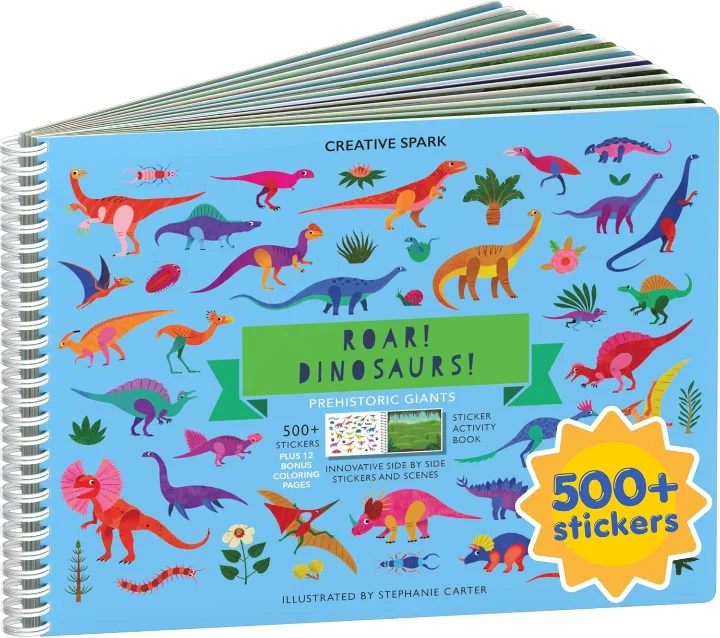
Sticker Packs
Easy to store, easy to share, and fun to choose. Great as a quick win reward without adding clutter.
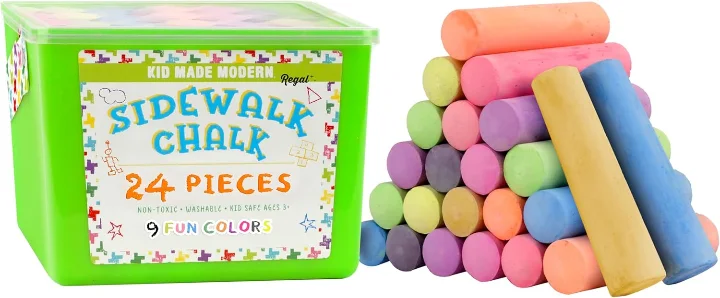
Sidewalk chalk sets
A classic, high-use reward that gets kids outside. It feels special, but it’s consumable and simple to rotate.
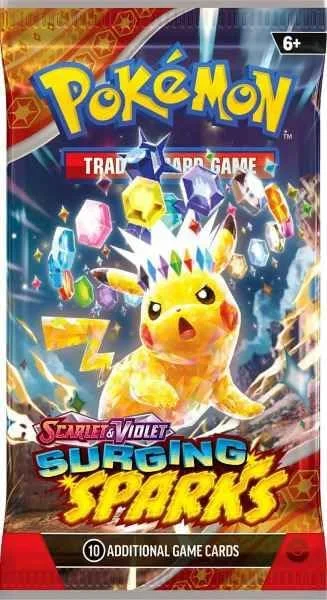
Pokemon Card Pack
A small reward with big motivation. Packs feel exciting, stay compact, and are easy to use as occasional bonuses.
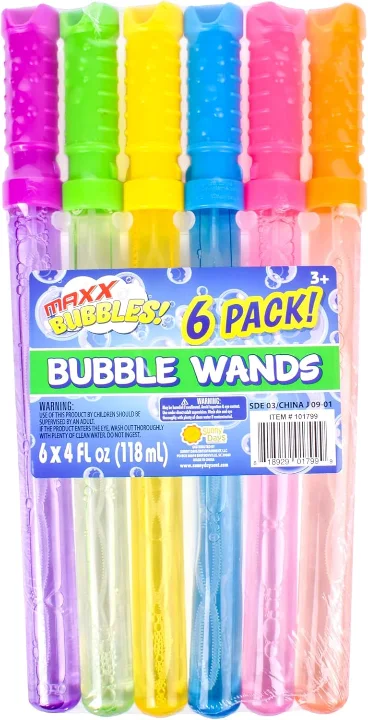
Bubble Wands
Instant fun with almost no cleanup. A great low-point reward that encourages outdoor play and disappears fast.
Affiliate Disclosure: As an Amazon Associate, we earn from qualifying purchases.
Upgrade rewards that replace, not add
Upgrade rewards feel meaningful because they replace something a child already uses. Instead of adding a new item to the house, you are improving an existing one.
This category works well for medium-tier rewards because kids experience choice and ownership without the system feeling excessive. Parents often find this category easier to sustain because it aligns with purchases they would make anyway.
When framed as an upgrade rather than a prize, these rewards feel earned without creating clutter.
Kids still experience choice and ownership, while parents avoid accumulating more items.
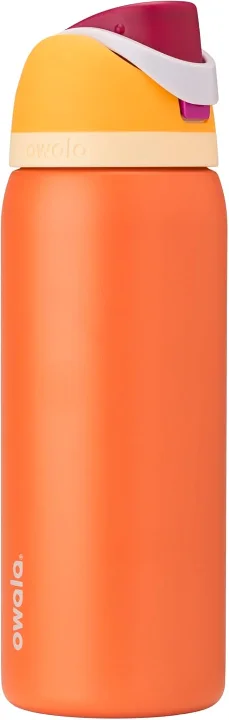
Insulated Water Bottle
A daily-use upgrade that feels special without adding clutter. Great for school, sports, and staying hydrated.
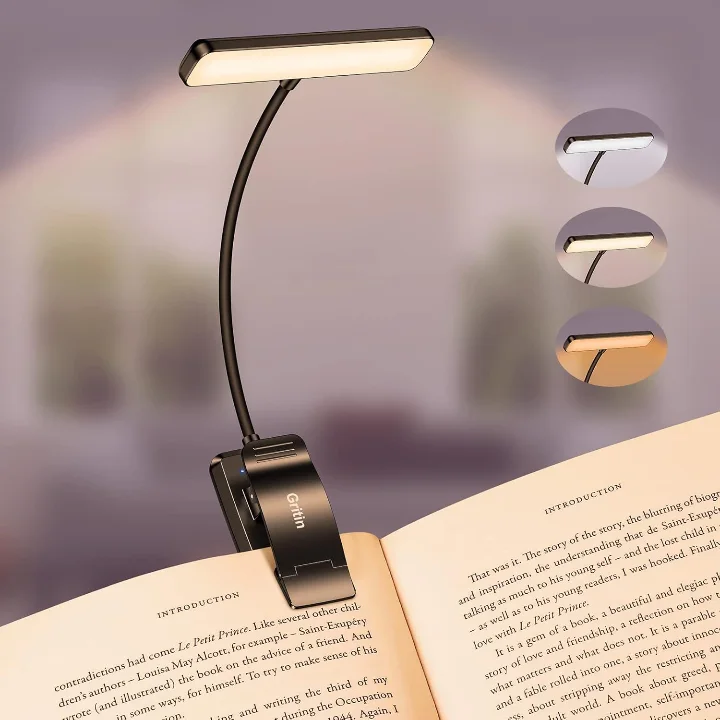
Reading Light
A simple upgrade that makes reading feel cozy and independent. Great for bedtime routines and quiet time.
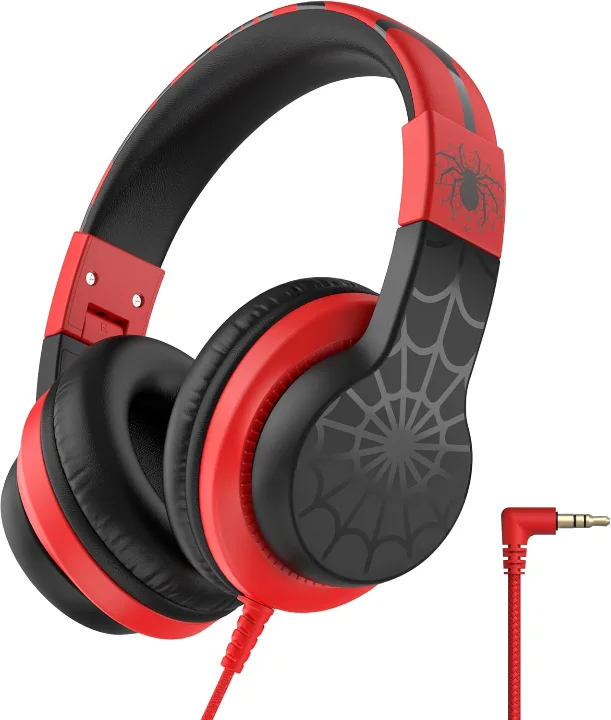
Headphones
A practical upgrade for music, audiobooks, and school devices. Helps create focus time without adding clutter.
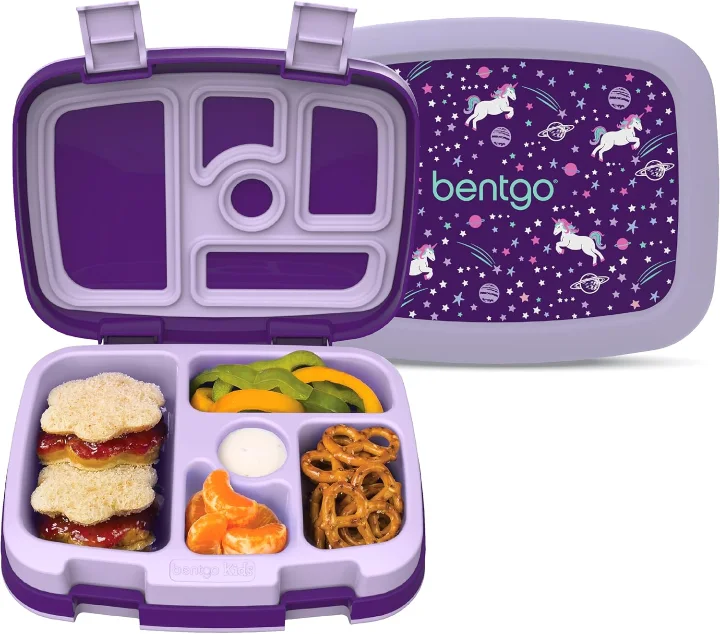
Lunch Box
A daily-use upgrade that keeps lunches organized and leak-free. It feels special, but replaces something you already need.
Affiliate Disclosure: As an Amazon Associate, we earn from qualifying purchases.
Creative and hobby-based rewards
Creative and hobby-based rewards sit in a sweet spot between consumable and long-term. They encourage focused engagement rather than instant excitement.
These rewards work best when you want to reinforce persistence, creativity, or follow-through. Instead of a quick dopamine hit, they offer value over multiple sessions, which helps stretch motivation across days or weeks.
They are also easy to tailor to a child’s interests without locking you into a single category forever.
These rewards tend to stretch motivation over days or weeks, rather than minutes.
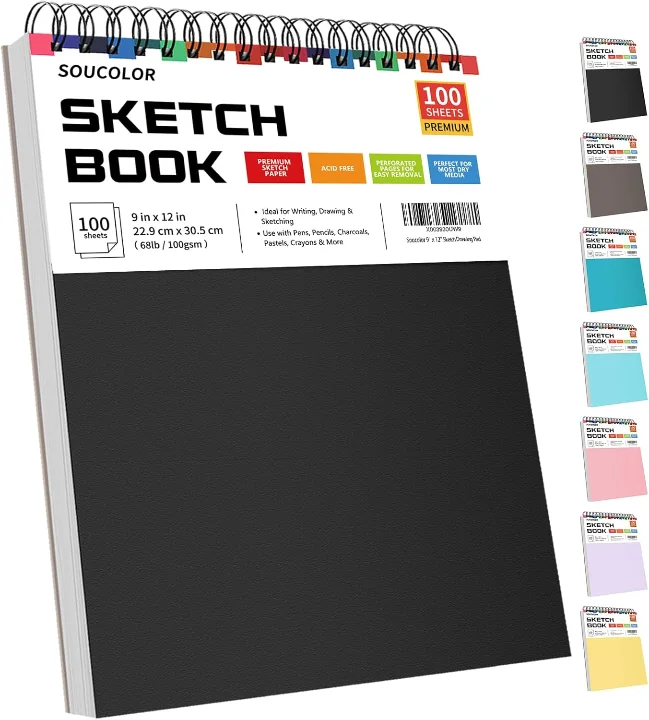
Sketch Book
A simple, screen-free reward that encourages creativity. Easy to use up over time without adding clutter.
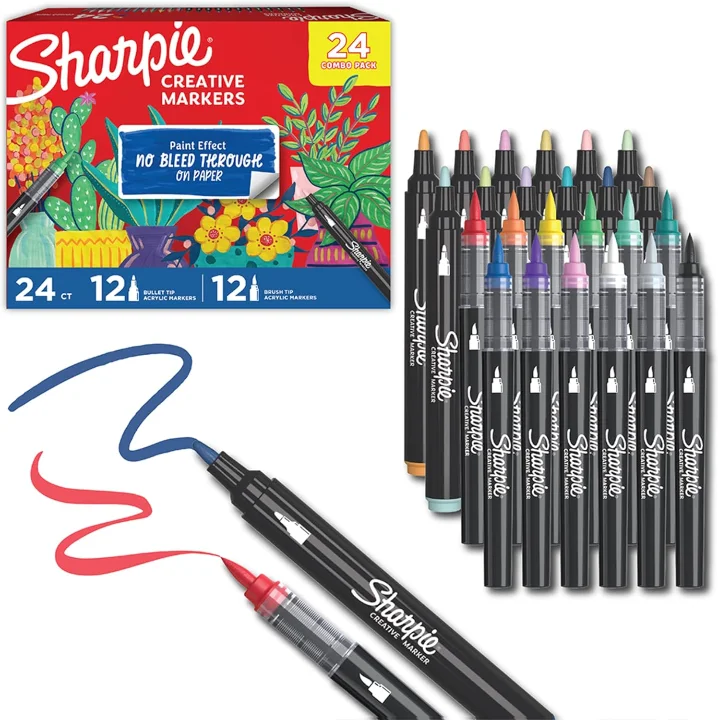
Art Marker
A fun upgrade for art time that feels special right away. Great for kids who love drawing, coloring, and crafting.
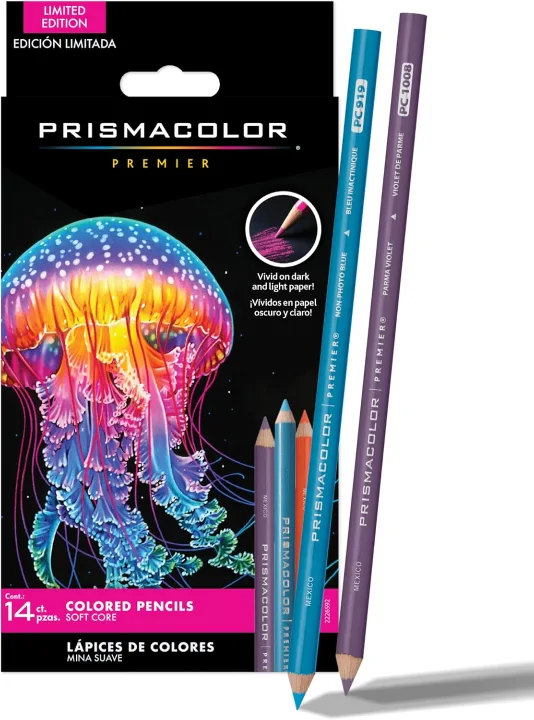
Colored Pencils
A classic creative reward that gets used again and again. Great for quiet time, travel, and screen-free afternoons.
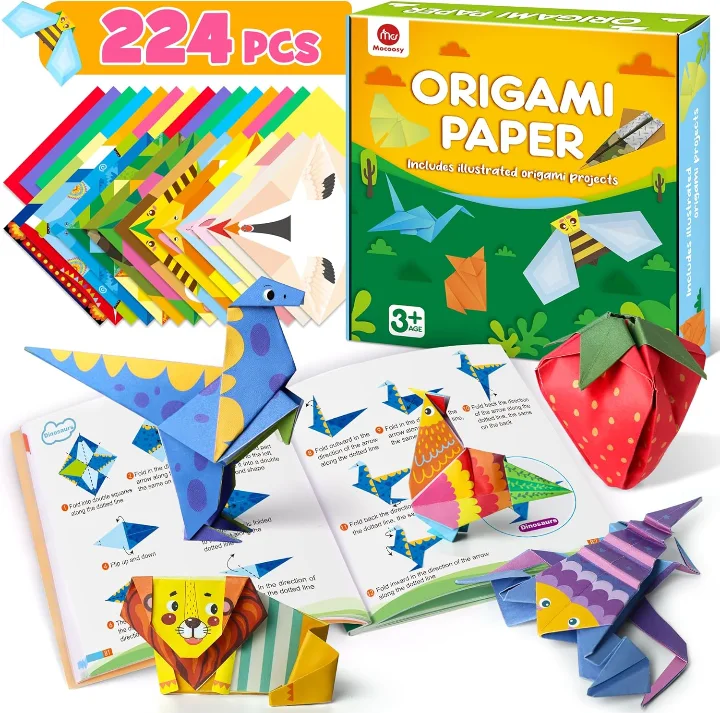
Craft Kits
A hands-on reward that keeps kids busy for longer than a quick treat. Great for weekends, rainy days, and quiet time.
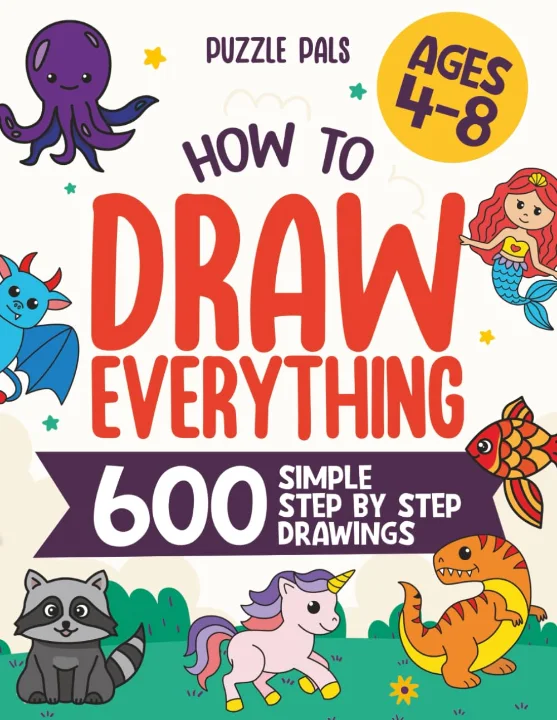
How to Draw Book
A guided, confidence-building reward that turns into a routine. Perfect for kids who like structure and prompts.
Affiliate Disclosure: As an Amazon Associate, we earn from qualifying purchases.
Shared rewards that reduce sibling tension
Shared rewards can simplify reward systems in multi-child households. Instead of comparing individual prizes, kids work toward something they can enjoy together.
This approach often reduces competition and negotiation while reinforcing cooperation. Shared rewards are especially effective for routines that affect the whole household, like morning prep or evening cleanup.
They also give parents more control over frequency and scale without making rewards feel scarce.
These work particularly well in households with multiple kids working toward similar routines.
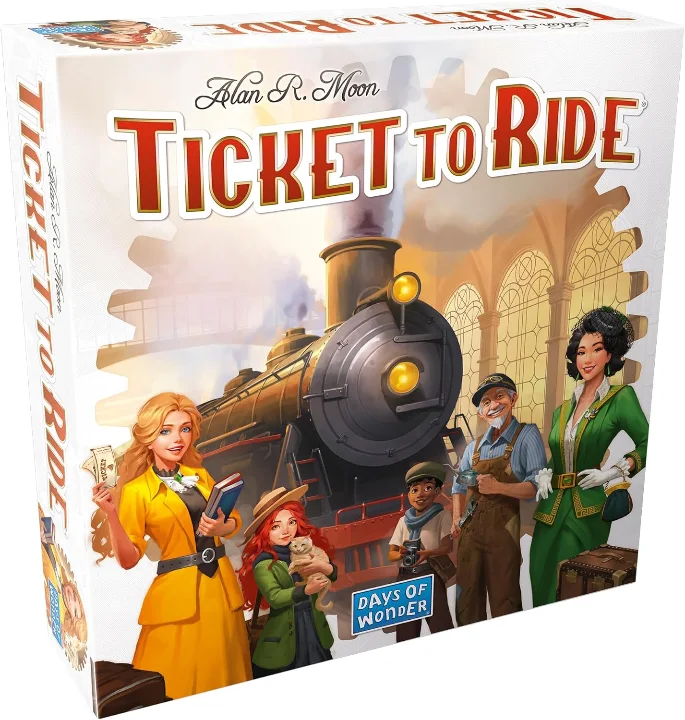
Board Game
A shared reward that turns into family time. Great for reducing comparison and giving everyone something to enjoy together.
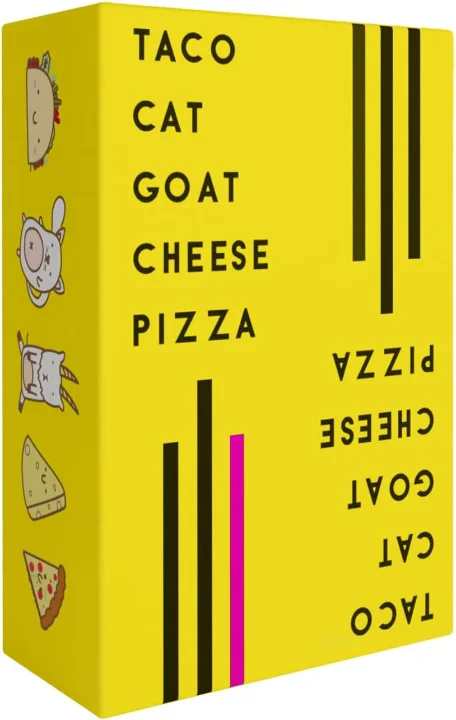
Card Game
Quick to learn, easy to pack, and fun for all ages. A great shared reward that encourages laughs and connection.
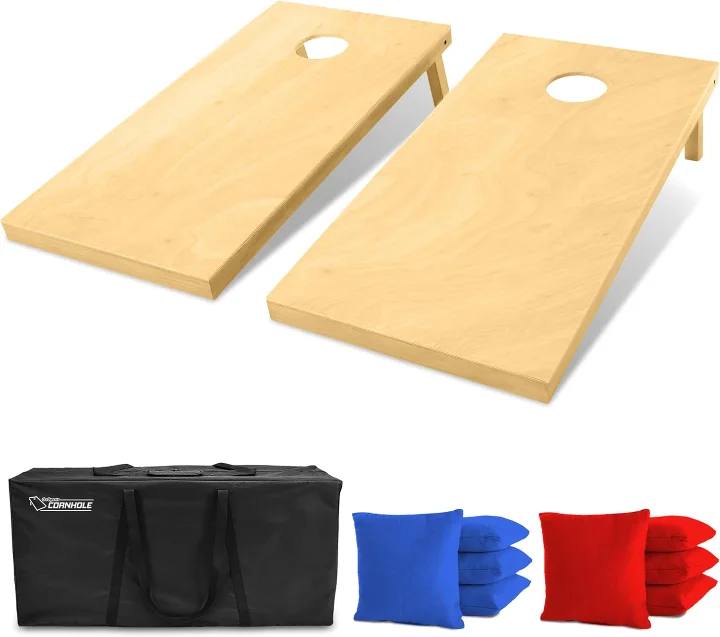
Cornhole Game Set
A fun outdoor reward that gets everyone moving. Great for family nights, backyard time, and friendly competition.
Affiliate Disclosure: As an Amazon Associate, we earn from qualifying purchases.
Preventing reward inflation over time
Most reward systems fail because of escalation, not because rewards stop working.
A few guidelines help systems last longer:
- Keep small rewards genuinely small
- Limit how often new rewards are introduced
- Rotate rewards instead of continuously adding
- Let kids choose from a fixed menu, not an open-ended list
If food or treats are part of your system, our guide on Using Sweet Treats as Rewards explains how to use them intentionally without creating power struggles.
How non-toy rewards fit into a points-based chore system
Non-toy rewards pair naturally with points because they allow you to set clear expectations, avoid emotional negotiations, reinforce consistency over intensity, and keep rewards predictable and fair.
If you’re looking for age-specific ideas, we’ve also put together reward guides for elementary kids, tweens and teens to help rewards scale without turning into clutter.
If you’re using an app to manage points and redemptions, these guides help connect the dots:
The goal isn’t better rewards, it’s better habits
Rewards are not the finish line. They are a temporary support that helps routines stick long enough to become automatic.
The strongest systems feel calm and boring over time, not exciting. That’s usually a sign they’re working.
When rewards are intentional, kids don’t need bigger prizes. They need clarity, consistency, and a system that makes progress visible.
Frequently Asked Questions
Yes. For many kids, non-toy rewards are just as motivating, especially when they are chosen intentionally and tied to a clear goal. Consumables, upgrades, and shared experiences often hold attention longer than toys that lose novelty quickly.
They can, but the structure matters more than the reward itself. As kids grow, rewards often shift from tangible items to privileges, upgrades, or shared experiences. A points-based system makes this transition easier.
Not often. Constantly adding new rewards leads to inflation. Rotating a small set of rewards every few months usually works better than introducing new options weekly.
Yes. In fact, predictable and consumable rewards often work especially well for kids with ADHD because they provide clear feedback without overwhelming choices. Pairing rewards with visible progress tracking can make routines more manageable.

Ready to try MyChoreBoard with your kids?
Install on any phone, tablet or computer. Free with no sign-in hoops.