Using Sweet Treats as Rewards
- Jacob Volk
- Rewards & Motivation
- 08 Jan, 2026
Sweet treats are one of the most reliably motivating rewards for kids. They are also one of the most debated.
Parents often ask:
- Am I creating a bad habit?
- Will this backfire later?
- Is using candy as a reward just bribery?
Those concerns are reasonable. But when rewards are used intentionally, research shows they can be powerful tools for building habits, especially for tasks kids do not naturally enjoy, like chores.
If you are new to reward-based systems, we recommend starting with our guide on how rewards actually motivate kids. It explains the science behind points, choice, and follow-through. This article focuses specifically on sweet treats. When they help, when they cause problems, and how to use them safely inside a points-based system like MyChoreBoard.
Are sweet treats bad rewards?
Short answer: no.
Longer answer: problems usually come from how treats are used, not from the treats themselves.
As we explain in Using Rewards to Motivate Kids, rewards work best when they are:
- Predictable
- Earned
- Visible
- Chosen by the child
Sweet treats tend to cause issues only when they are used emotionally, inconsistently, or as leverage. For example, offering candy to calm emotions, using treats as punishment, or making sweets the only motivating option.
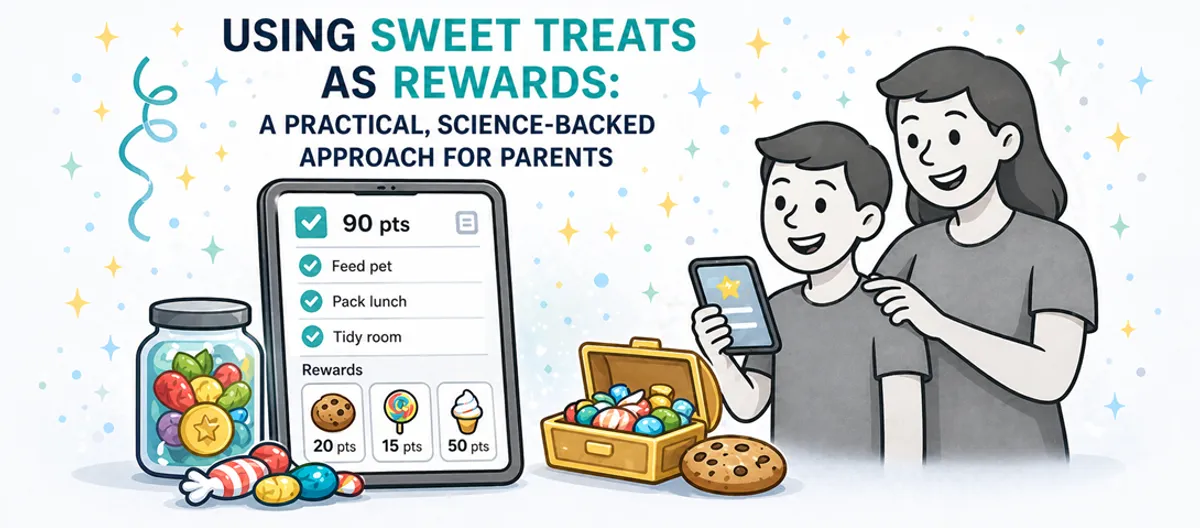
MyChoreBoard’s earn, choose, and redeem structure avoids these problems by design.
Why sweet treats work well in a points-based chore system
Sweet treats are effective motivators because they are:
- Immediate, so kids clearly understand what they are earning
- Concrete, with no abstraction required
- Predictable, which reduces bargaining
- Neutral, because they are not tied to mood or labels like “good” or “bad”
This lines up with what we cover in our broader rewards guide. Motivation increases when kids can see their options and decide what they want to work toward. Sweet treats simply become one category in that menu.
Using sweet treats with kids who have ADHD
For many families, sweet treats are especially effective for kids with ADHD. That is not a coincidence.
Children with ADHD often struggle with:
- Delayed gratification
- Task initiation
- Following through on low-interest or multi-step tasks
- Remembering expectations without frequent prompts
Because of this, rewards that are immediate, concrete, and predictable tend to work better than abstract or long-term incentives.
Sweet treats fit that profile well when they are used intentionally inside a structured system.
In our guide on reward systems for kids with ADHD, we explain why external rewards are not a shortcut for ADHD brains. They are often a necessary bridge that helps kids practice routines until those routines become more automatic.
For kids with ADHD, sweet treats work best when they are:
- Clearly priced and visible
- Earned through points rather than negotiated in the moment
- Paired with immediate feedback when tasks are completed
- One option among several reward types
This is where a system like MyChoreBoard helps. Kids do not have to hold everything in their head. They can see what they are working toward, track progress, and make choices without constant reminders or power struggles.
Over time, many families find that once routines become more consistent, kids naturally shift toward non-food rewards like screen time, privileges, or experiences. The treat did its job by helping the habit stick.
Our recommendation at MyChoreBoard
We recommend sweet treats as:
- Optional
- Low-cost
- Occasional
- Clearly earned
They tend to work best when:
- Used more during early habit-building phases
- Paired with non-food rewards like screen time, privileges, or experiences
- Gradually reduced as routines become consistent
This matches the philosophy outlined in Using Rewards to Motivate Kids. Rewards are meant to support habit-building, not replace it forever.
Examples of sweet treats we recommend
The best reward treats are:
- Small
- Portion-controlled
- Easy to store
- Familiar, so there is no constant need to escalate
Below are examples that work well in a point-based reward system.
🍬 Small, low-cost sweet rewards
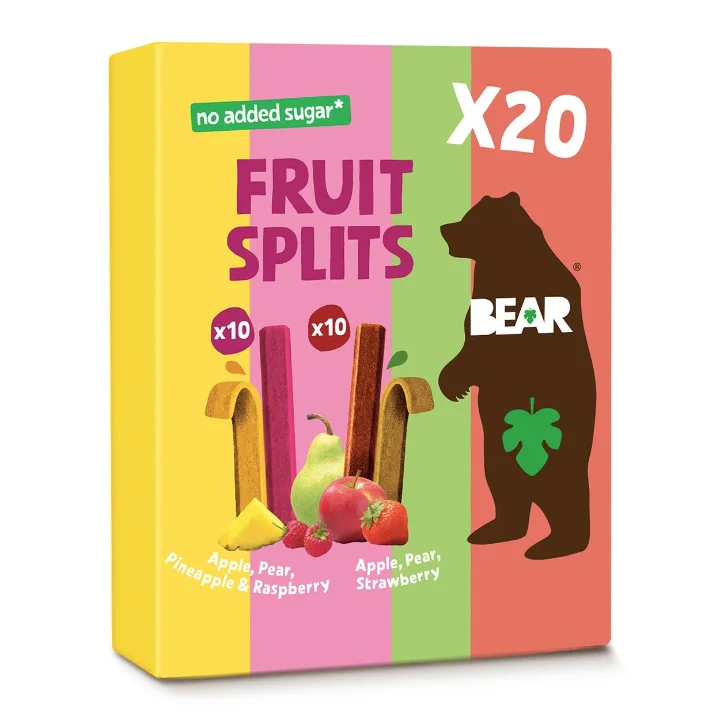
Fruit Snacks
A familiar, portion-controlled option that many kids see as a treat.
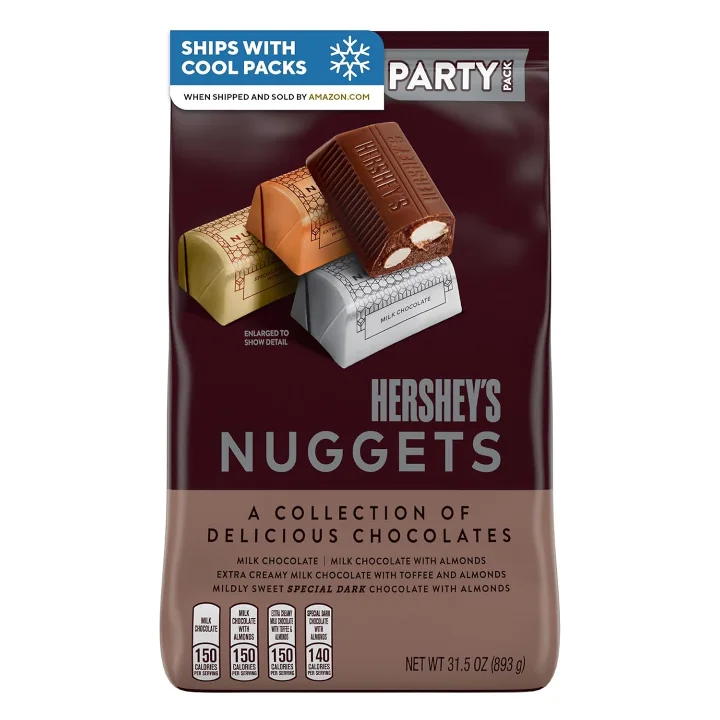
Mini Chocolate Bars Variety Pack
Individually wrapped mini bars that work well as low-point rewards.
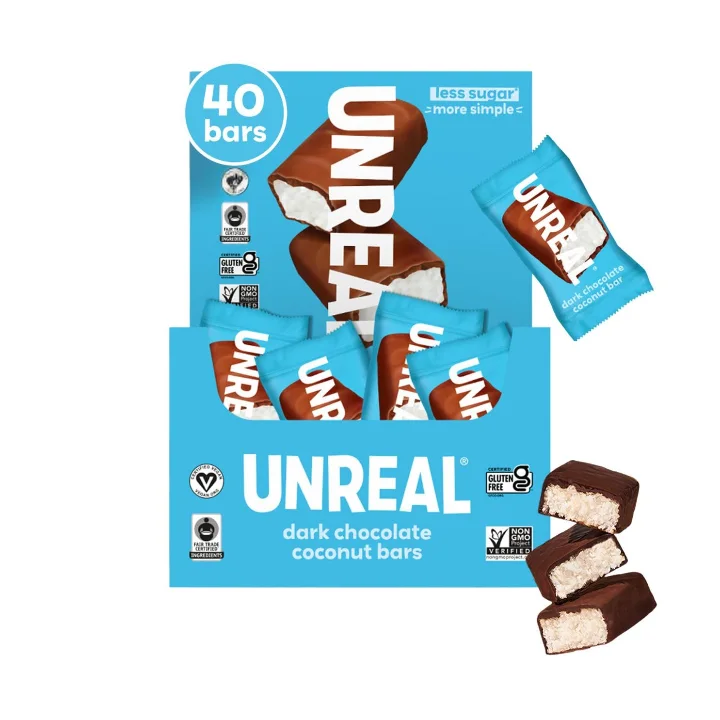
Dark Chocolate Coconut Bars
Gluten free, Dairy free, Vegan option for those who prefer a healthier option.
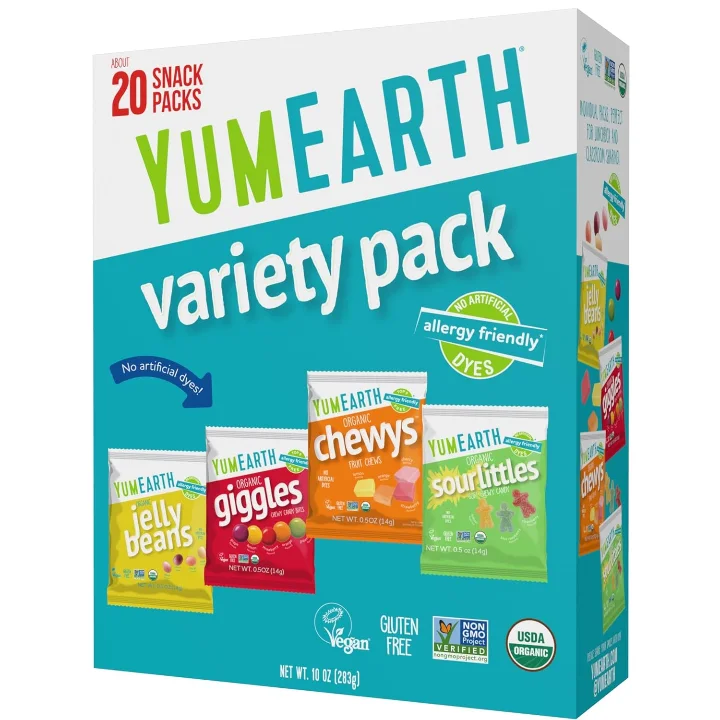
Fun-Size Gummies Variety Pack
Soft candy options that feel like a treat without being oversized.
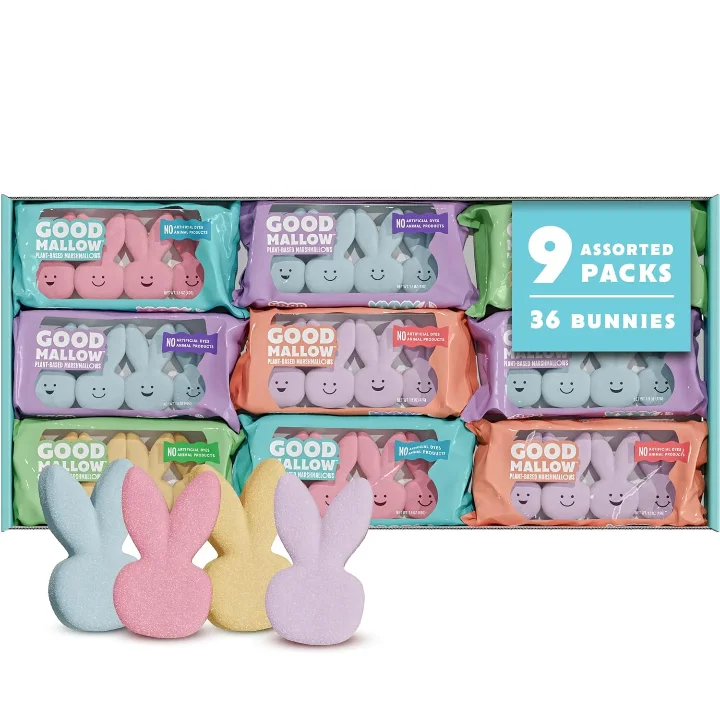
Mini Marshmallow Packs
Simple, sweet, and easy to portion for quick rewards.
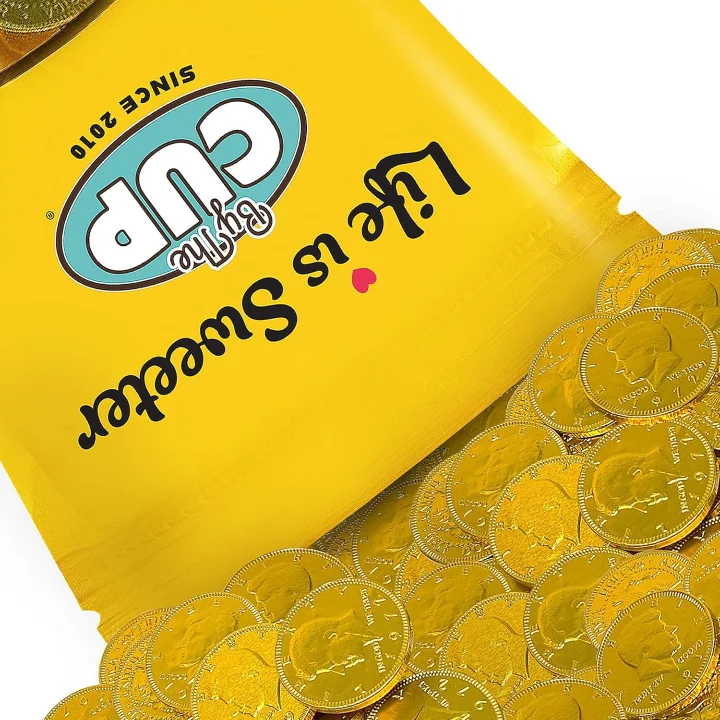
Chocolate Coins or Seasonal Candy
Fun novelty treats that feel special without being large.
Affiliate Disclosure: As an Amazon Associate, we earn from qualifying purchases.
🍪 Medium-value sweet rewards
These work well for weekly goals, streaks, or more challenging chores.
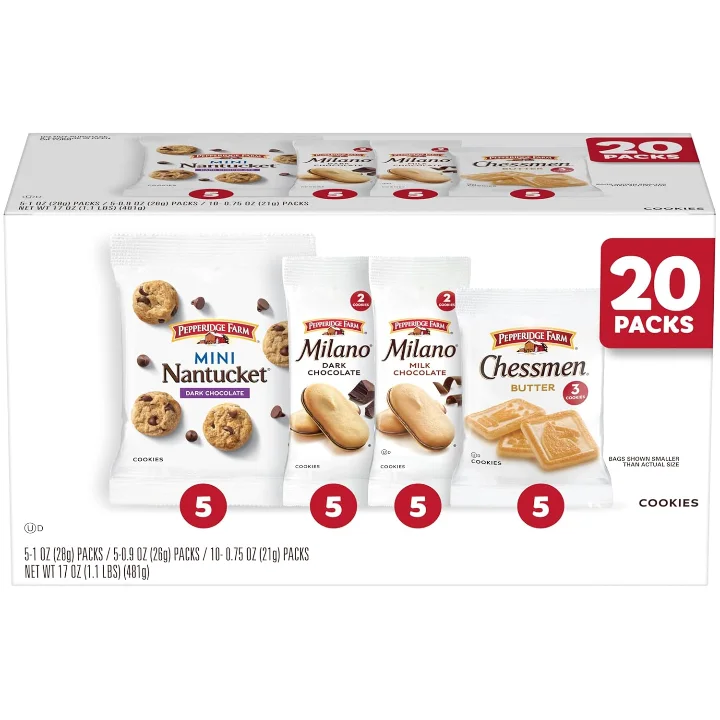
Snack-Size Cookies Variety Pack
A good fit for weekly goals instead of daily redemptions.
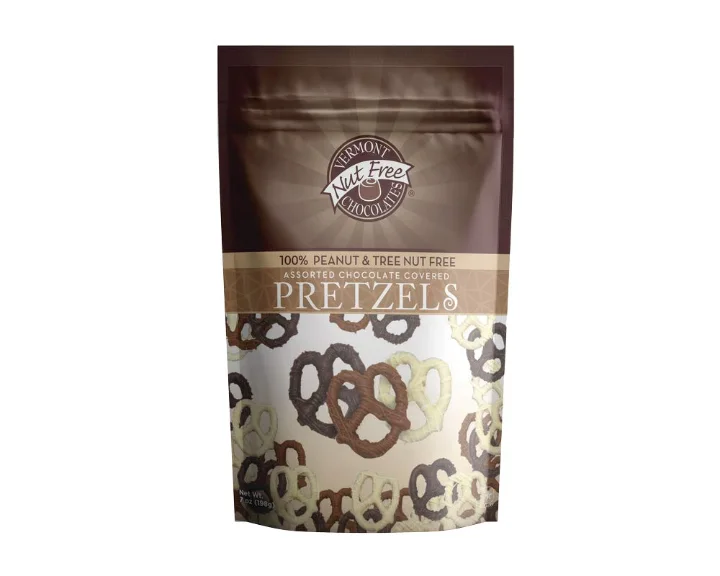
Chocolate-Covered Pretzel Packs
A slightly more substantial treat that still feels controlled.
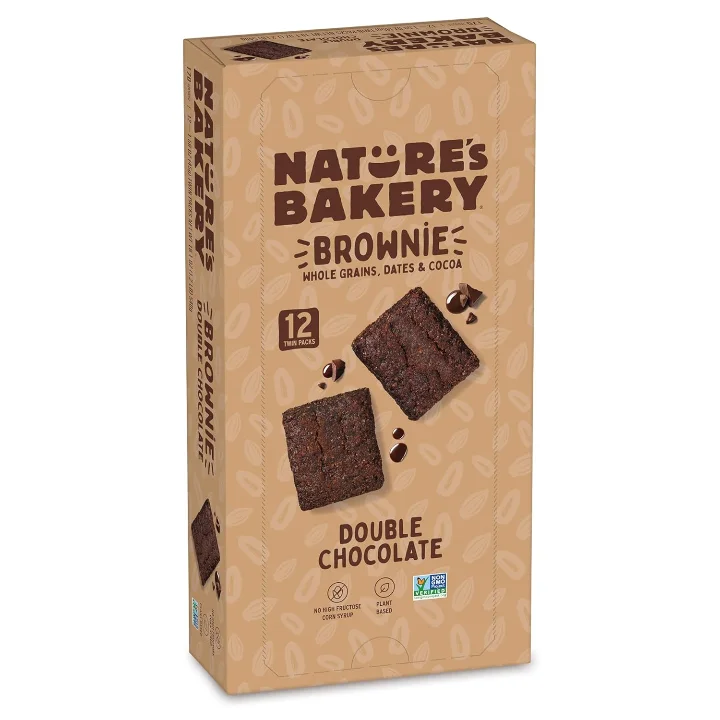
Snack Cakes or Mini Brownies
A bigger reward that works well for end-of-week success.
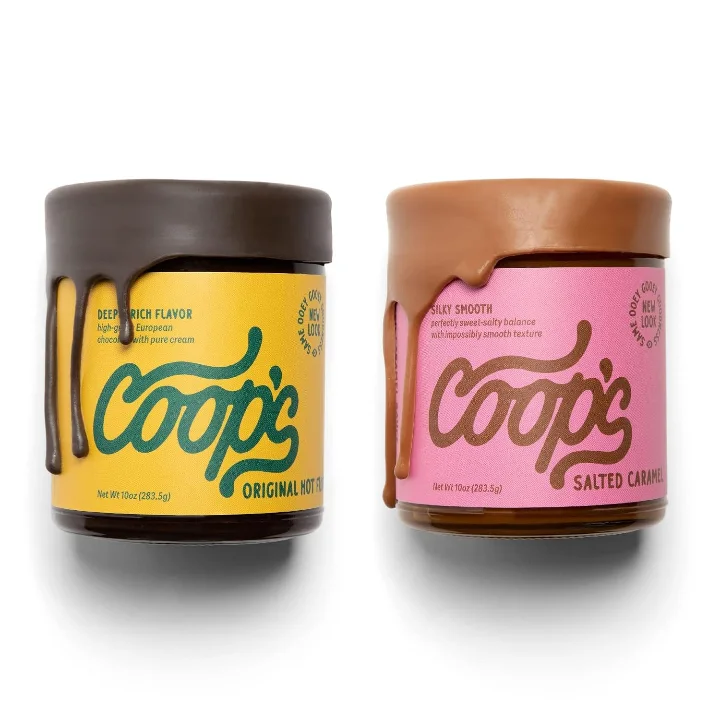
Ice cream Sundae kit
Turns dessert into an experience without needing a full outing.
Affiliate Disclosure: As an Amazon Associate, we earn from qualifying purchases.
🍦 Experience-based sweet treats (non-purchase rewards)
As kids get older, many families naturally shift toward experience-based sweet rewards. These tend to feel more special and reduce how often candy is needed.
Examples include:
- Choosing dessert after dinner
- Ice cream night with a parent
- Baking cookies together
- Picking a special breakfast treat
- Dessert picnic or drive-through treat night
These rewards work especially well as higher-point goals tied to consistency or effort over time.
How to price sweet treats in MyChoreBoard
A simple structure that works well for many families:
| Reward Type | Point Cost | Purpose |
|---|---|---|
| Small candy | Low | Immediate motivation |
| Snack pack | Medium | Planning and saving |
| Dessert night | Higher | Consistency reward |
| Experience | Highest | Long-term habit building |
This reinforces the same principles outlined in
Using Rewards to Motivate Kids. Choice, visibility, and trade-offs matter more than the specific reward.
What to avoid when using treats as rewards
Try not to:
- Tie treats to basic expectations like hygiene or getting dressed
- Use sweets to manage emotions
- Remove treats as punishment
- Make sweets the only appealing reward
Structure matters more than sugar content.
The big picture
Using sweet treats as rewards does not undermine motivation. Lack of structure does.
When kids earn points, choose their rewards, and understand the trade-offs, treats lose their power as leverage and become just another option. That is the foundation of any effective reward system, whether the reward is food, screen time, or experiences.

Ready to try MyChoreBoard with your kids?
Install on any phone, tablet or computer. Free with no sign-in hoops.