Clothing Rewards: Extras Become Powerful Motivation
- Jacob Volk
- Rewards & Motivation
- 15 Jan, 2026
Clothing might not be the first thing parents think of when they hear “rewards,” but for many kids, non-essential clothing can be one of the most motivating options available—especially as they grow out of toys and start caring more about personal style.
When kids earn something they get to wear, the reward lasts. Clothing is visible, personal, and tied to identity in a way that snacks, screen time, or novelty toys often are not. A hoodie, pair of sneakers, or accessory becomes part of a child’s daily life, reinforcing the effort that earned it long after the reward moment has passed.
For the overall strategy and how to structure rewards, start with using rewards to motivate kids and then come back here for clothing-based ideas.
What makes clothing an effective reward
Non-essential clothing sits in a unique middle ground. It feels more meaningful than a small consumable reward, but it doesn’t create the clutter that toys often do. For kids who are beginning to express themselves through what they wear, clothing rewards feel intentional and grown-up rather than childish or temporary.
Because clothing is worn repeatedly, it reinforces consistency rather than one-off effort. The reward doesn’t disappear after five minutes. It stays present, visible, and connected to the behavior that earned it.
What counts as a clothing reward
Clothing works best as a reward when it is clearly framed as an extra rather than a necessity. Everyday basics, seasonal replacements, school-required items, or weather-appropriate clothing are simply part of parenting. Rewards are different. They are optional upgrades that kids want but do not automatically expect.
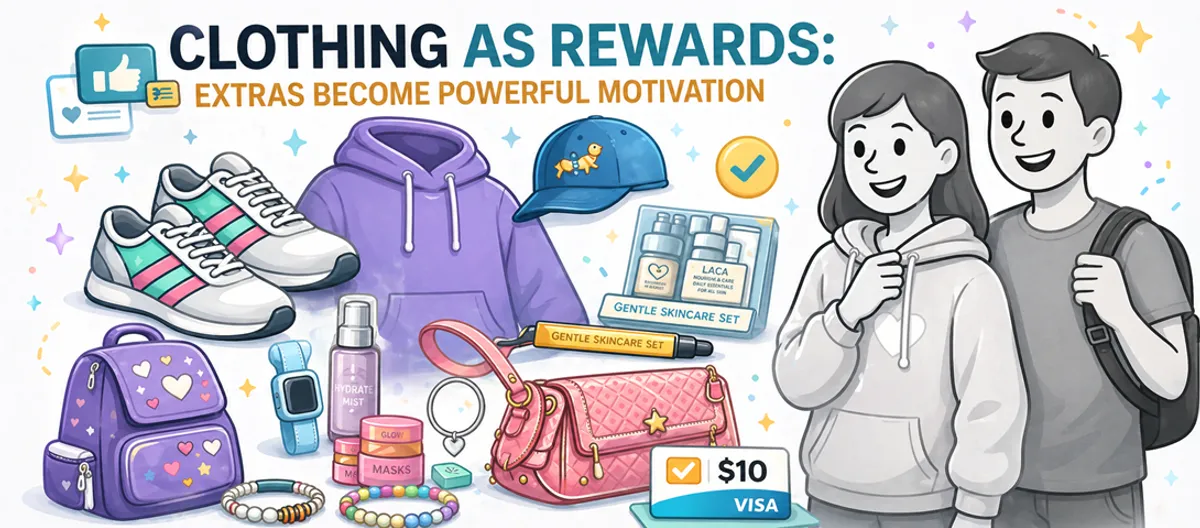
Good clothing rewards often include trendier sneakers, graphic tees, hoodies in favorite colors, or lounge wear that feels special rather than routine. Accessories such as hats, jewelry, watches, bags, and expressive add-ons work especially well because they allow kids to show personality without committing to an entire outfit.
For tweens and teens, skincare products often fall into this same category. Items like lip masks, face mists, or beginner-friendly skincare sets feel exciting and mature when they are positioned as optional treats rather than daily hygiene essentials.
The defining feature is simple: these are items kids want, not items they need.
Why clothing feels different than other rewards
Unlike toys, clothing doesn’t rely on novelty alone. A toy is often exciting for a short period before interest fades. Clothing becomes part of a routine. It is worn to school, to activities, and around friends, reinforcing the connection between effort and outcome in real-world settings.
Clothing is also social. Friends notice it. Compliments matter. For kids who are motivated by self-expression or peer recognition, this visibility can be far more motivating than private rewards like screen time.
For parents, clothing rewards come with an added benefit. They don’t accumulate endlessly. Items naturally rotate as kids grow, styles change, or seasons shift, keeping rewards from overwhelming the home.
Clothing rewards by size and effort
Clothing fits naturally into a points-based reward system because different items can represent different levels of effort without feeling arbitrary. Smaller rewards, such as accessories or skincare treats, can be earned more quickly. Mid-range rewards, like graphic tees, pajamas, or hoodies, often require more consistency. Larger rewards, including sneakers or jackets, work best as longer-term goals that encourage patience and follow-through.
This structure helps kids learn that bigger rewards come from sustained effort rather than one-time actions, while still keeping motivation positive and achievable.
Age matters more than the item itself
Clothing rewards tend to become more effective as kids get older. Younger children may enjoy accessories or novelty items, but clothing truly shines with elementary-aged kids and becomes especially powerful for tweens and teens. At that stage, clothing choices are closely tied to confidence, independence, and belonging.
For kids who have outgrown toys but still need motivation to build routines, clothing often fills the gap naturally.
Popular clothing and accessory rewards kids actually want
Below are examples of non-essential clothing and accessory rewards that tend to work especially well in a points-based system. These are not necessities or replacements for everyday clothing. They are optional style upgrades that kids often enjoy working toward.
Sneakers and footwear upgrades
Trendier sneakers are one of the most motivating clothing rewards, particularly when they represent a style upgrade rather than a replacement for worn-out shoes. A new colorway, favorite brand, or special-occasion pair can feel like a major accomplishment when earned.
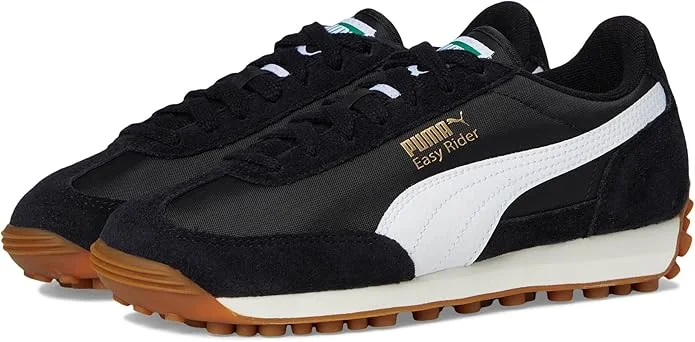
Kids' trendy sneakers
A style upgrade that feels like a big win—especially when it’s a favorite brand or a specific colorway they’ve wanted.
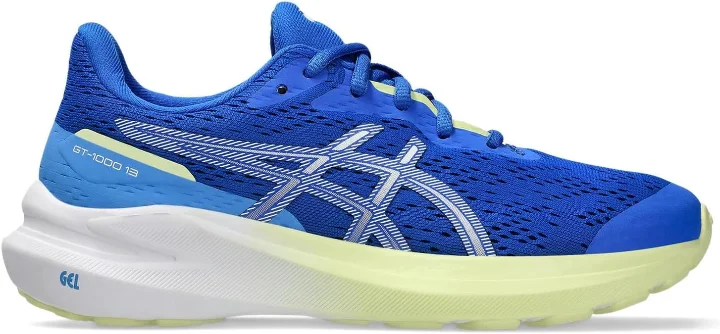
Kids' running shoes upgrade
A higher-tier reward that’s still practical. Great for sports kids who care about performance and style.
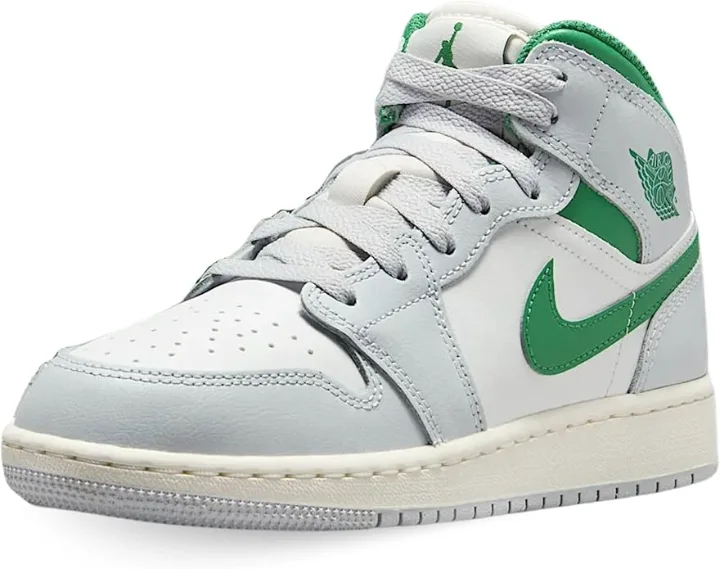
High-top sneakers for kids
High-tops feel more special than basic sneakers and often come in trendier designs kids love.
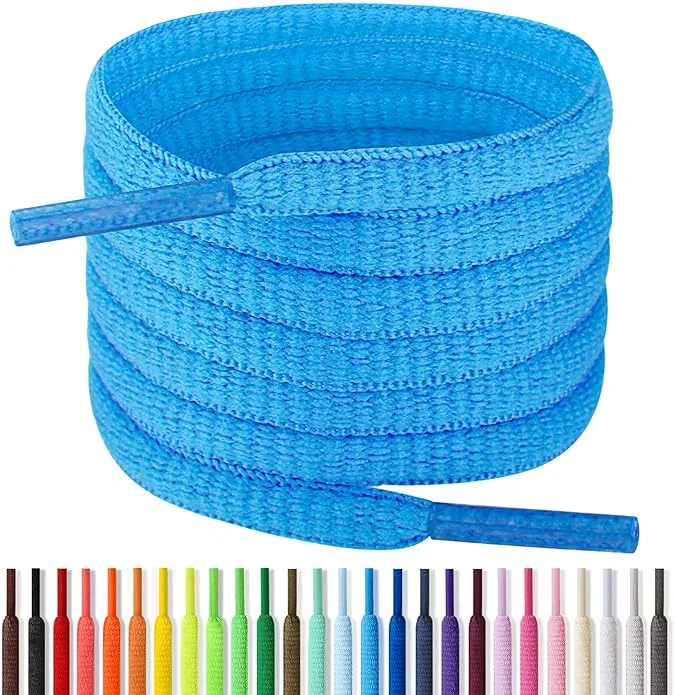
Sneaker accessories
A smaller reward that still feels stylish. Great for kids who like customizing without needing a full new pair.
Affiliate Disclosure: As an Amazon Associate, we earn from qualifying purchases.
Hoodies, lounge wear, and comfort items
Comfort-focused clothing tends to feel especially rewarding because it is worn often and associated with relaxation. A new hoodie or lounge set quickly becomes a favorite, reinforcing the effort that earned it each time it’s worn.
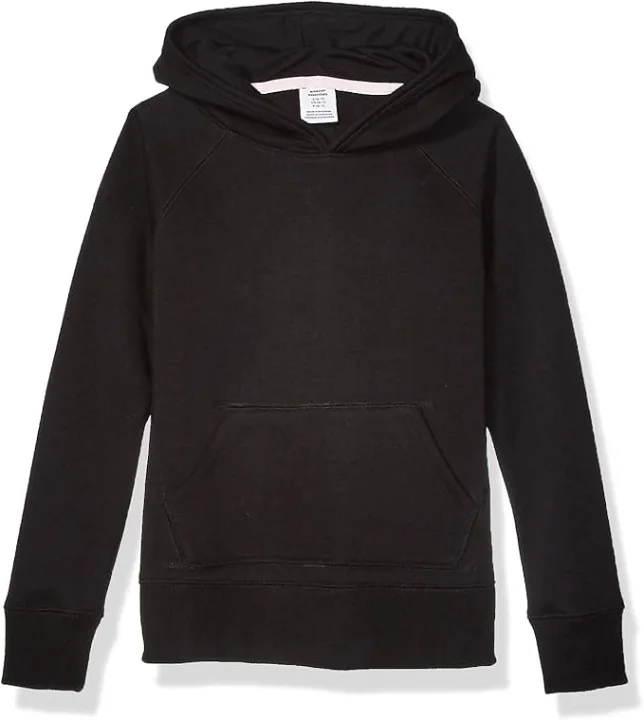
Kids' hoodies
A classic mid-to-high tier reward. Hoodies get worn constantly, so the “earned” feeling sticks around.
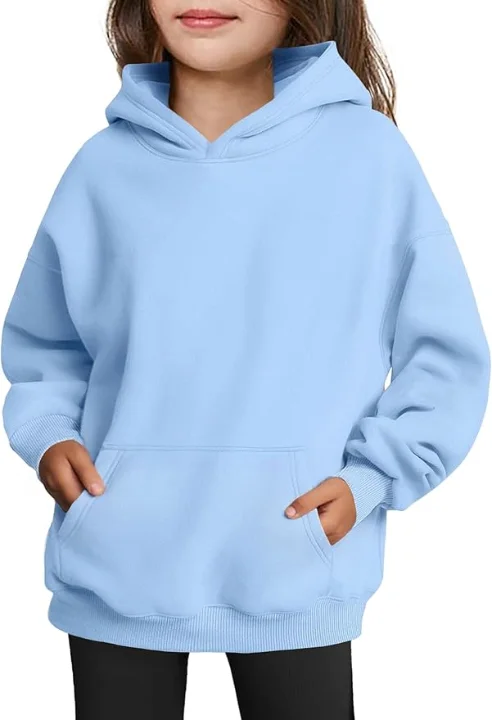
Oversized hoodies
Oversized styles feel trendier and more special—perfect as an ‘extra’ rather than a basic replacement.
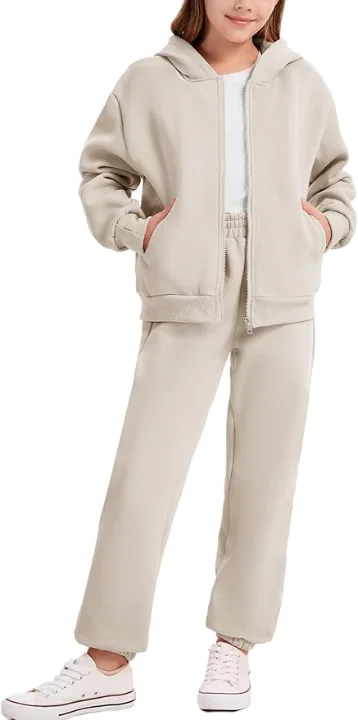
Kids' lounge sets
A cozy reward that feels like a splurge. Great for weekends, travel, or downtime.
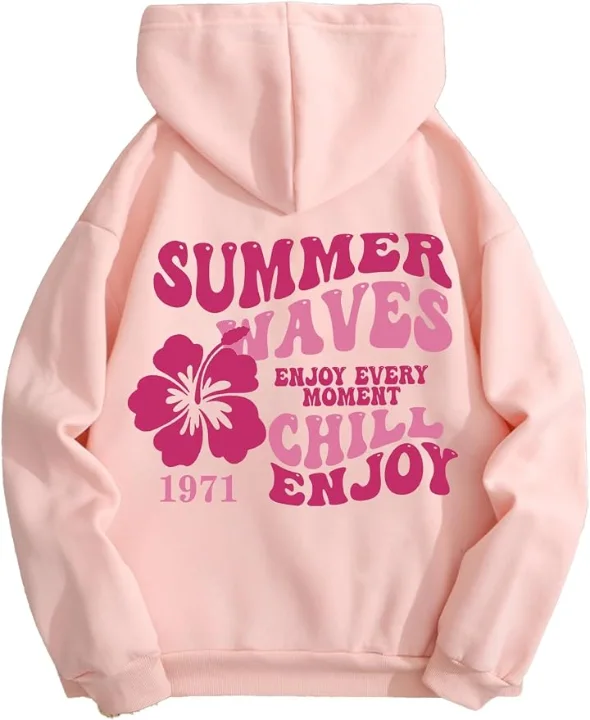
Graphic sweatshirts
A fun style upgrade kids will actually pick out and wear, which makes it feel more personal.
Affiliate Disclosure: As an Amazon Associate, we earn from qualifying purchases.
Accessories and style extras
Accessories make excellent mid-tier rewards. Hats, jewelry, watches, bags, and expressive add-ons allow kids to personalize their look without committing to a full outfit. These rewards also work well for kids who enjoy variety and rotation.
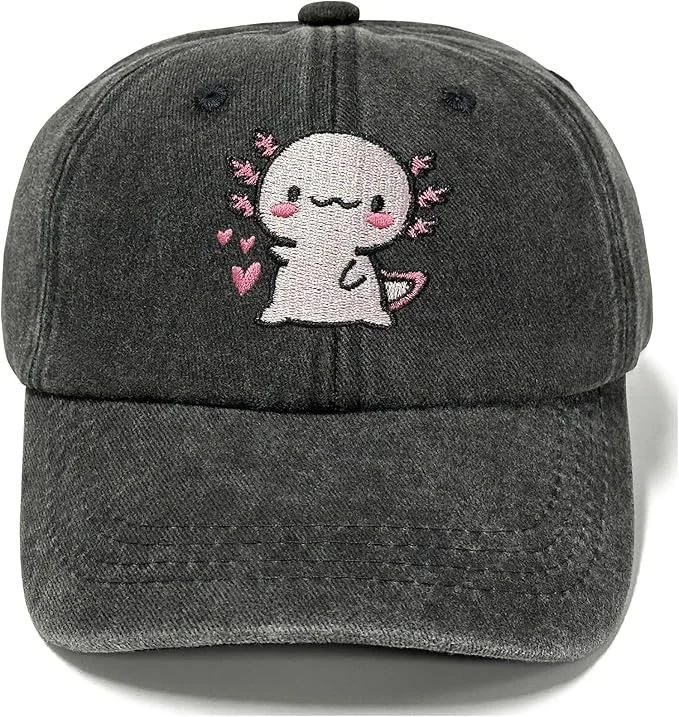
Hats for kids
One of the best clothing-adjacent rewards—fun, expressive, and clearly non-essential in most cases.
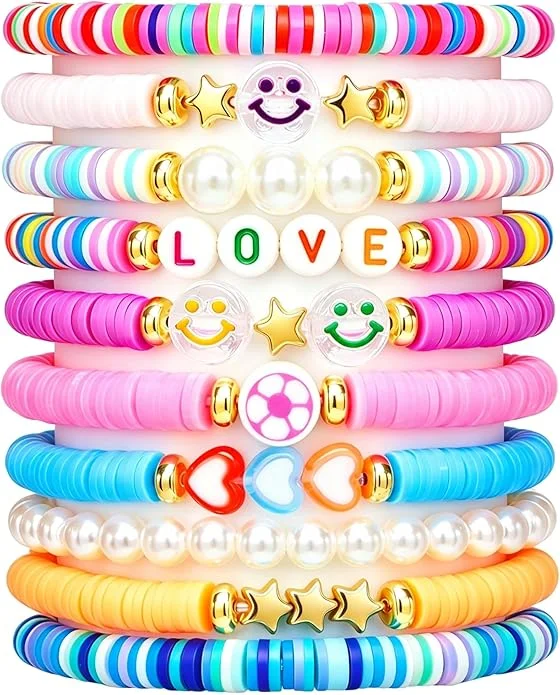
Kids' jewelry
A smaller splurge that feels grown-up. Great for tweens who care more about style than toys.
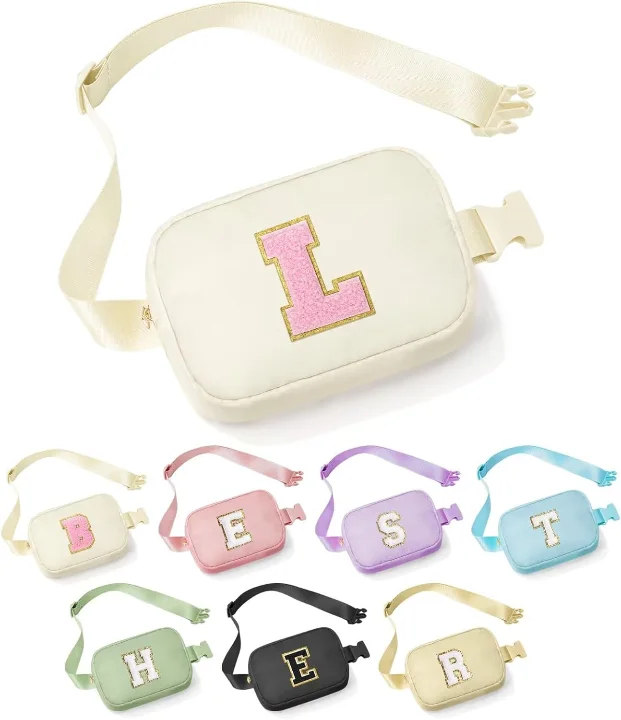
Belt bags / crossbody bags
A practical style upgrade kids love because it feels independent and “their own.”
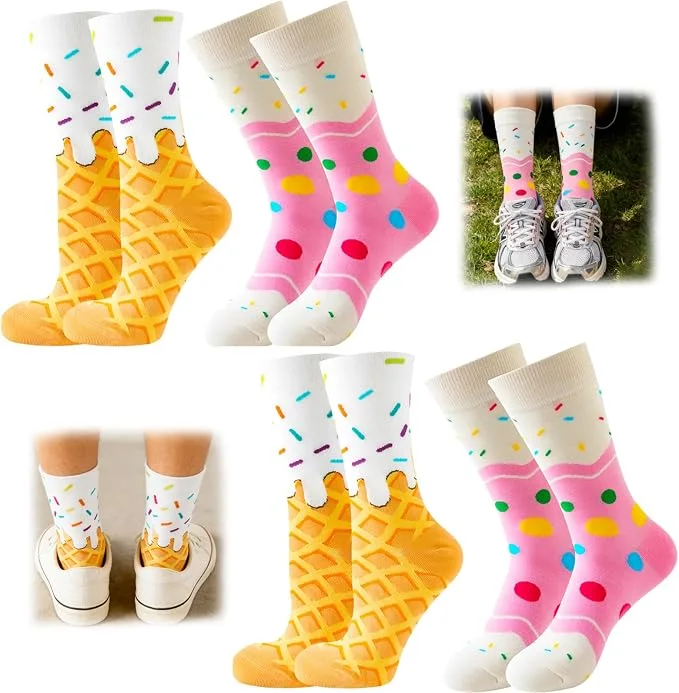
Statement socks
A low-cost reward that still feels fun and expressive. Easy to rotate and easy to store.
Affiliate Disclosure: As an Amazon Associate, we earn from qualifying purchases.
Skincare and personal care splurges
For tweens and teens, skincare often feels exciting and grown-up. When framed as optional treats rather than daily necessities, items like lip masks, face mists, or beginner skincare kits can be highly motivating and age-appropriate rewards.
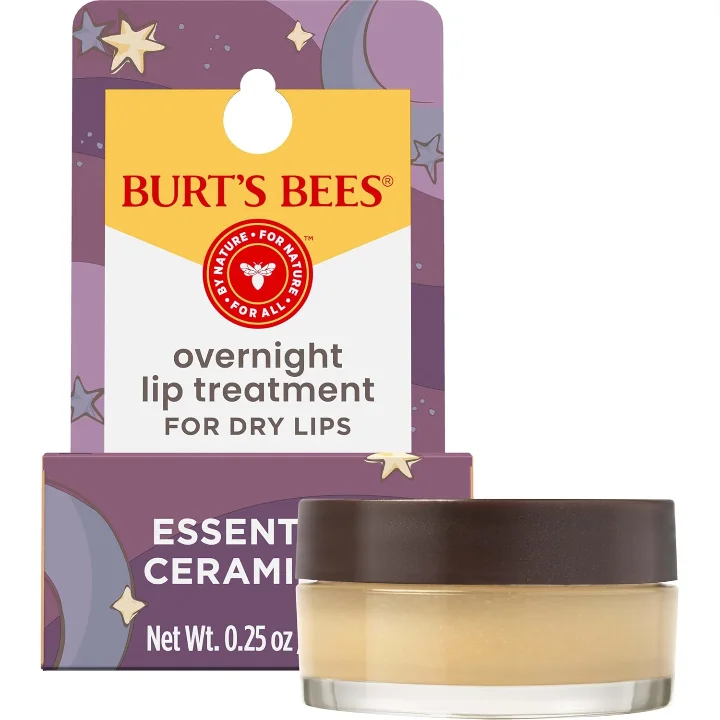
Lip masks
A popular ‘treat’ item for tweens/teens that feels special without becoming a daily necessity.
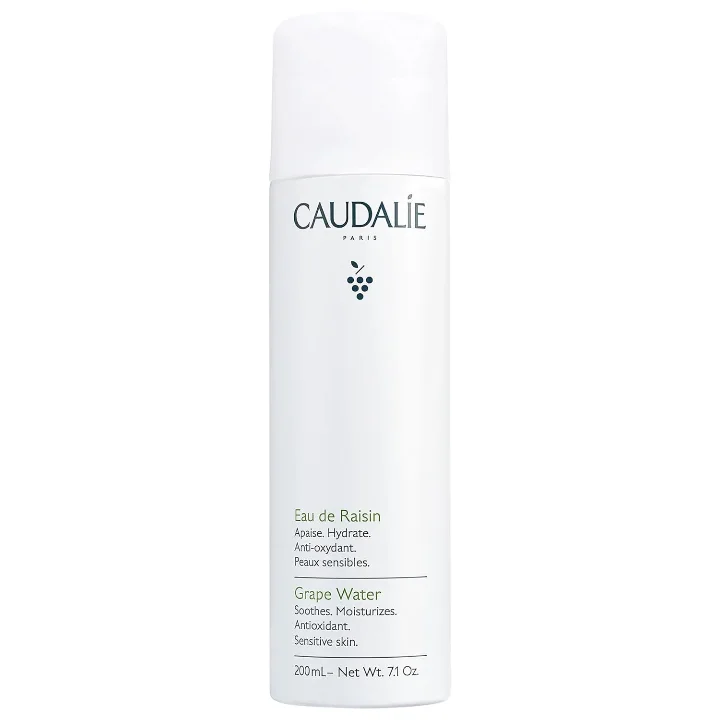
Face mists
A fun, optional splurge that feels grown-up and gift-like—great as a mid-tier reward.
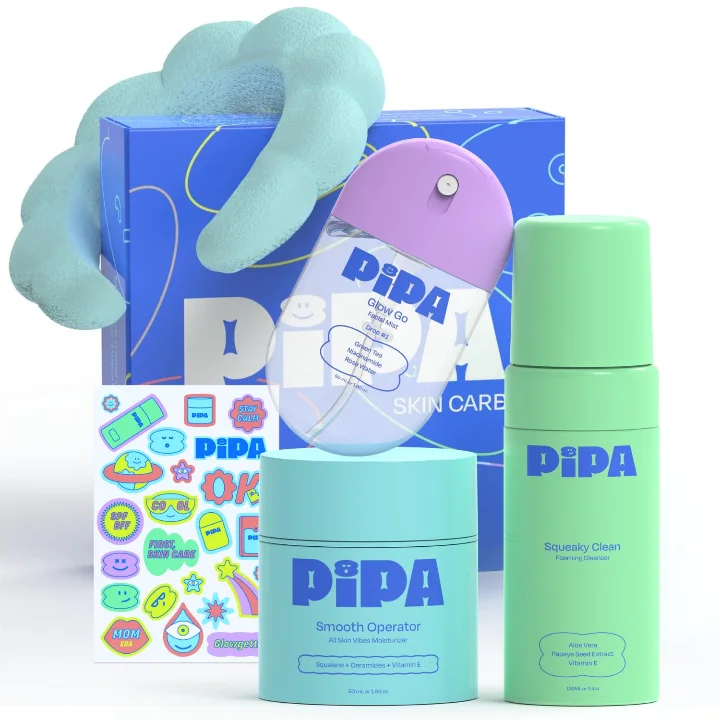
Beginner skincare kits
Best used as an occasional upgrade reward. Look for gentle, age-appropriate starter kits.
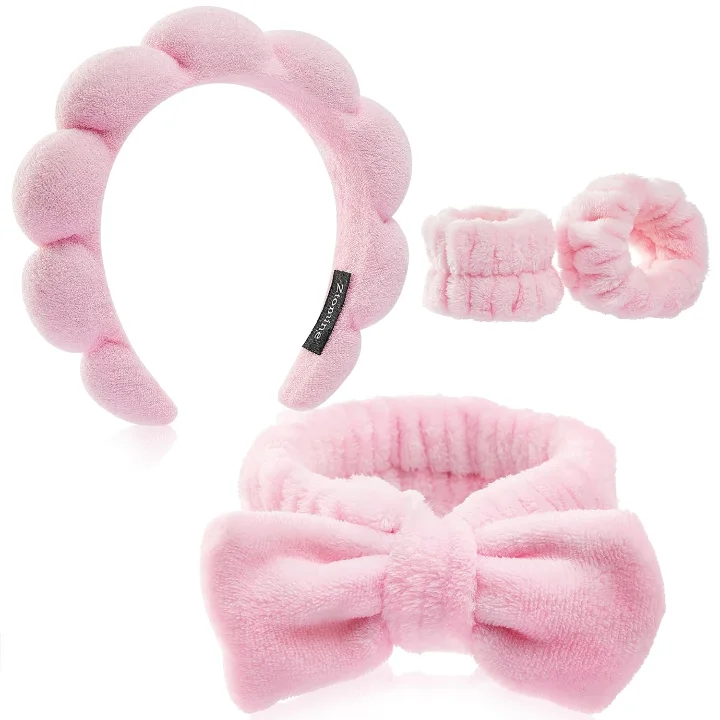
Headbands / hair accessories
A smaller beauty-adjacent reward that still feels like a style upgrade and stays clearly optional.
Affiliate Disclosure: As an Amazon Associate, we earn from qualifying purchases.
Where clothing fits among non-toy rewards
Clothing works best as part of a broader reward mix. Food treats offer quick wins. Experiences create lasting memories. Privileges build trust and independence. Clothing sits comfortably alongside all of them, offering a tangible reward that aligns with a low-clutter, intentional home.
As kids grow, motivation evolves. When rewards reflect what kids genuinely care about, routines feel less forced and progress feels more earned.
A more intentional way to reward effort
Used thoughtfully, clothing rewards help kids connect effort with outcomes they value. They reinforce responsibility without adding noise or excess, and they acknowledge that kids aren’t just completing chores. They’re learning how patience, effort, and choice work together over time.
Frequently Asked Questions
Clothing can be an effective reward when it’s clearly framed as a non-essential extra rather than a basic need. Items kids want but don’t require often feel especially motivating.
Clothing rewards tend to be most effective for elementary-aged kids, tweens, and teens, especially as interest in toys decreases and self-expression becomes more important.
They serve a different purpose. Clothing rewards last longer, create less clutter, and often feel more meaningful as kids grow, making them a strong alternative to toy-based rewards.
Yes, when they are age-appropriate and positioned as optional treats rather than daily necessities, skincare products can be highly motivating for tweens and teens.

Ready to try MyChoreBoard with your kids?
Install on any phone, tablet or computer. Free with no sign-in hoops.